Significance of Pind Daan in Gaya Dham
Gaya Ji is considered the most sacred place on Earth for performing Shradh and Pind Daan. According to Hindu scriptures, doing Pind Daan here liberates the souls of ancestors, helping them transition from the mortal realm to heaven (Moksha).
Why Gaya for Pind Daan?
Lord Brahma created Gaya and named it after Gayasura, a demon who performed intense penance. Gayasura received a boon that whoever touches him or has rituals performed on his body will attain salvation. Bhagwan Vishnu placed his foot on Gayasura, leaving a footprint known as the **Vishnupad**.
Main Locations for Rituals
A typical Pind Daan sequence involves visiting three key spots:
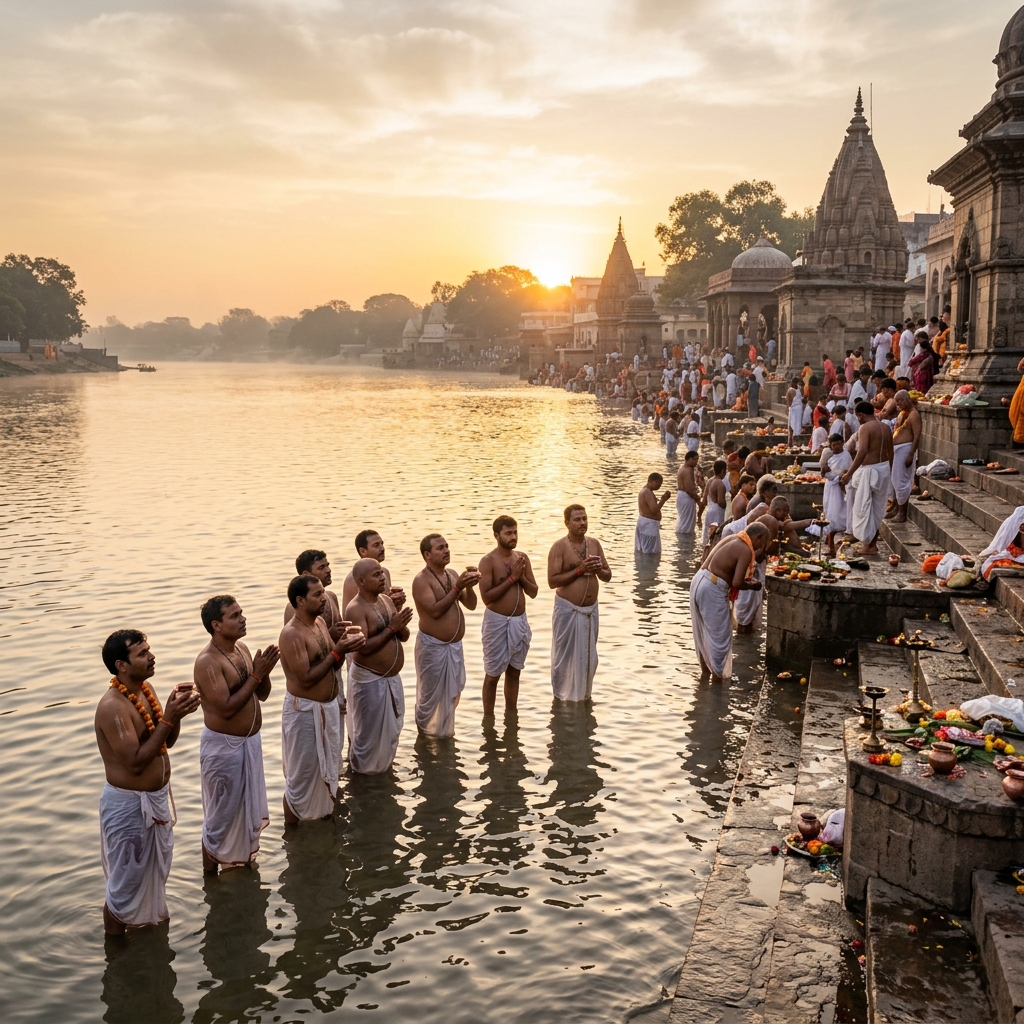
- Falgu River: For sacred bathing, offering of water (Tarpan), and sand pinda.
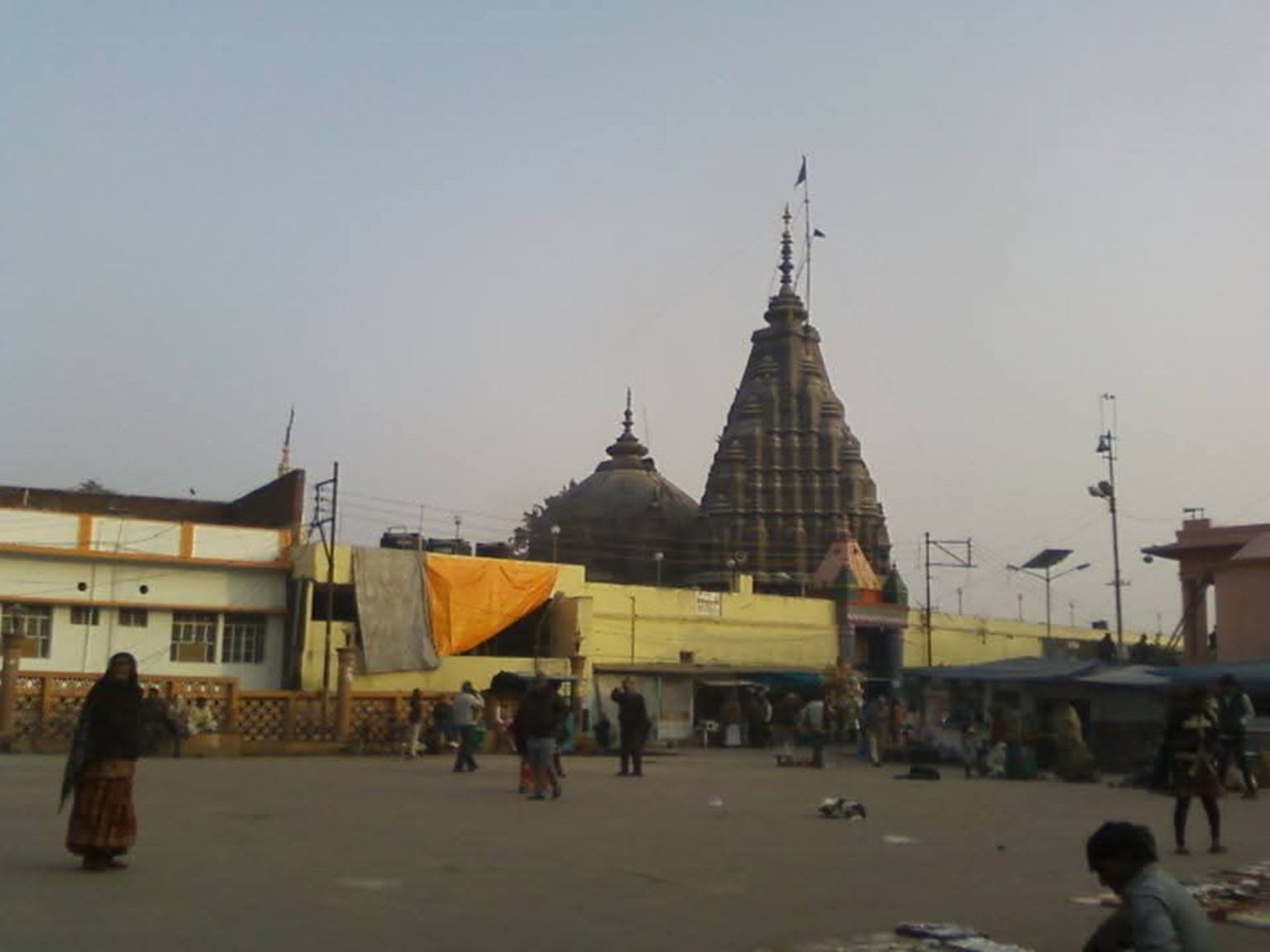
- Vishnupad Temple: Offering pindas directly at the holy footprint of Lord Vishnu.
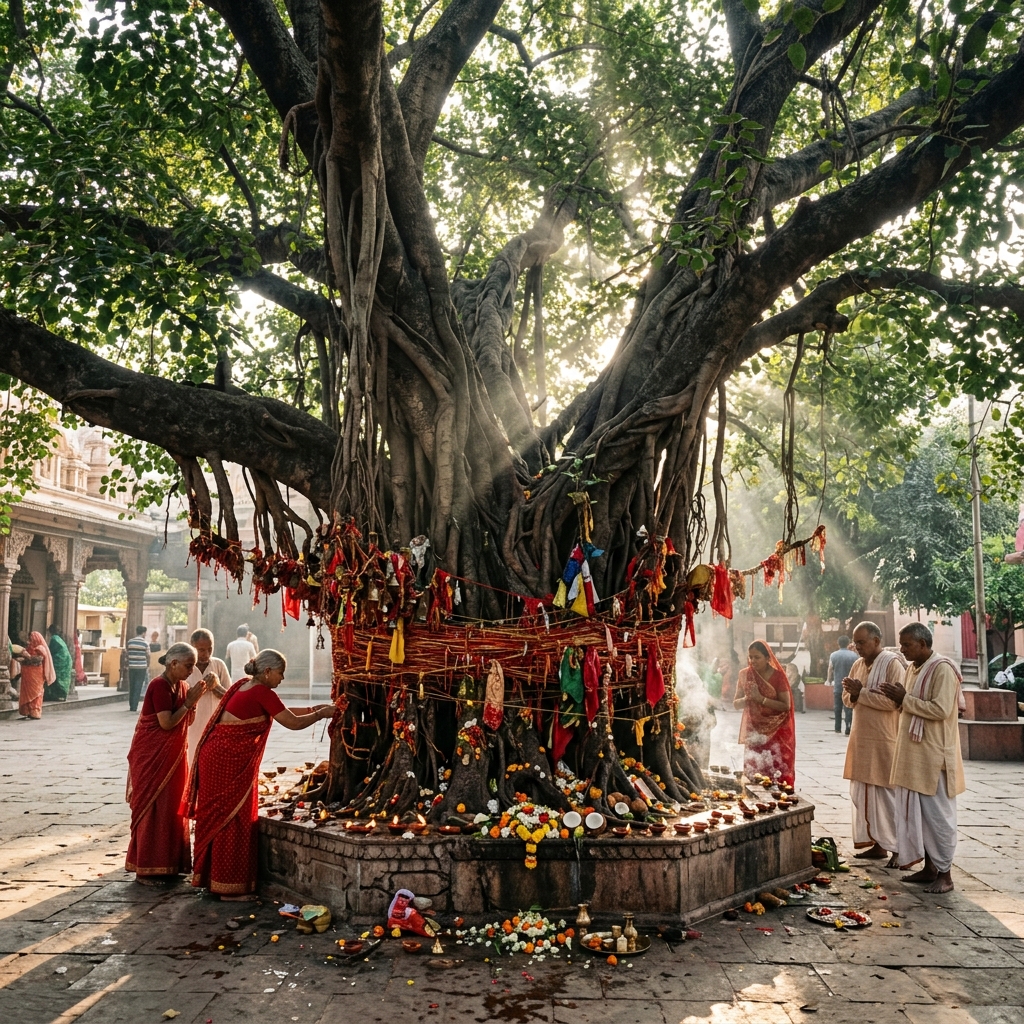
- Akshayvat: Fulfilling the final prayer under the immortal banyan tree to grant eternal peace.
Importance & Significance of Pind Daan
In Sanatan Hindu Dharma, performing Pind Daan is considered the most sacred and mandatory ritual to express reverence to parents and ancestors and to seek peace for their souls. According to the scriptures, unless a proper Pind Daan and Tarpan is performed, the souls of ancestors do not attain liberation (Moksha) and continue to wander unsatisfied in the mortal realm.
Liberation of Ancestors (Moksha)
Performing Pind Daan in Gaya Dham liberates ancestors from the cycle of birth and death, freeing them from the pret yoni (ghostly realm) and helping them attain the supreme heavenly abode.
Resolve Pitru Dosha
If there is Pitru Dosha in someone's horoscope, causing obstacles in lineage growth, delay in children, health problems, or domestic discord, it is resolved by performing Pind Daan.
Triple Ancestral Blessing
Pind Daan is not offered for just one ancestor, but for the welfare of three generations (father, grandfather, and great-grandfather) along with the maternal lineage.
Peace & Prosperity
When ancestors are pleased and satisfied, they bless their descendants with happiness, longevity, good health, wealth, wisdom, and mental peace in the family.
Why Pind Daan is Important & Done in Gaya
To understand why millions of devotees travel to Gaya Ji every year for Shradh, it is essential to understand the combined importance of Pind Daan as a spiritual duty and Gaya's unique cosmic role.
The Ultimate Importance of Pind Daan
According to Vedic philosophy, when a person dies, their soul remains in a transient state known as the Pret-Yoni (ghostly realm). Without the performance of Shradh and Pind Daan, the soul cannot cross the Vaitarni River and remains trapped in suffering.
Pind Daan is the key that unlocks the door to the ancestral realm (Pitri-Loka), transforming the wandering spirit into a benevolent ancestor (Pitri-Deva) who blesses the family.
Why Only Gaya Ji is Chosen
Gaya Ji is not just another pilgrimage site; it is recognized in the Garuda Purana as the center of ancestral liberation. The soil of Gaya is sanctified by the body of Gayasura, and the waters of the Falgu River carry spiritual energy blessed by Lord Vishnu Himself.
It is believed that even if a devotee offers a handful of sesame seeds or a tiny sand pinda at the Vishnupad Temple in Gaya, the ancestors are instantly liberated and transition directly to Vaikuntha (Lord Vishnu's abode).
Why perform Pind Daan in Gaya Dham?
Gaya Ji is globally recognized as the most sacred place on Earth (Pitru Teerth) for conducting ancestral death rites. Hindu scriptures, including the Vayu Purana and Mahabharata, state that performing Shradh here guarantees direct entry to heaven for the departed souls.
The Legend of Gayasura
Gaya is named after the demon Gayasura, who performed extreme penance. Blessed by the Gods, his body became a holy place capable of purifying anyone who touched it or had rites performed on it. Lord Vishnu placed His foot on Gayasura's head to stabilize him, leaving the divine footprints.
The Holy Falgu River & Sita Kund
During their exile, Lord Rama and Mata Sita visited Gaya. Mata Sita performed the sand-pind (sand balls) offering for King Dasharatha here. Ever since, Falgu River became an indispensable spot to offer tarpan and initiate ancestral resolutions.
The Immortal Akshayvat Tree
The sacred banyan tree was blessed by Mata Sita with immortality. Giving a Pinda here represents the final closing step of the Gaya pilgrimage, which ensures the ancestors' souls are eternally satisfied and never require any future Pind Daan.
Key Locations: Where Pind Daan in Gaya is Performed
Gaya Ji houses 45 designated Vedis (ritual spots) for ancestor offerings. However, a traditional Shradh pilgrimage is considered complete by performing the rites at the three primary locations:
Step-by-Step Pind Daan Vidhi
The Shradh rituals in Gaya are performed strictly under the guidance of authorized Gayawal Pandits following the step-by-step scriptural process:
Snanam & Sankalp (Holy Bath & Resolution)
Devotees take a holy dip in the Falgu River and wear clean, white traditional attire (Dhoti). The Gayawal Pandit then administers the **Sankalp**—reciting the devotee's Gotra, ancestral lineage (up to three generations), and names to invoke the spirits of the ancestors.
Pind Nirman (Preparing Sacred Offerings)
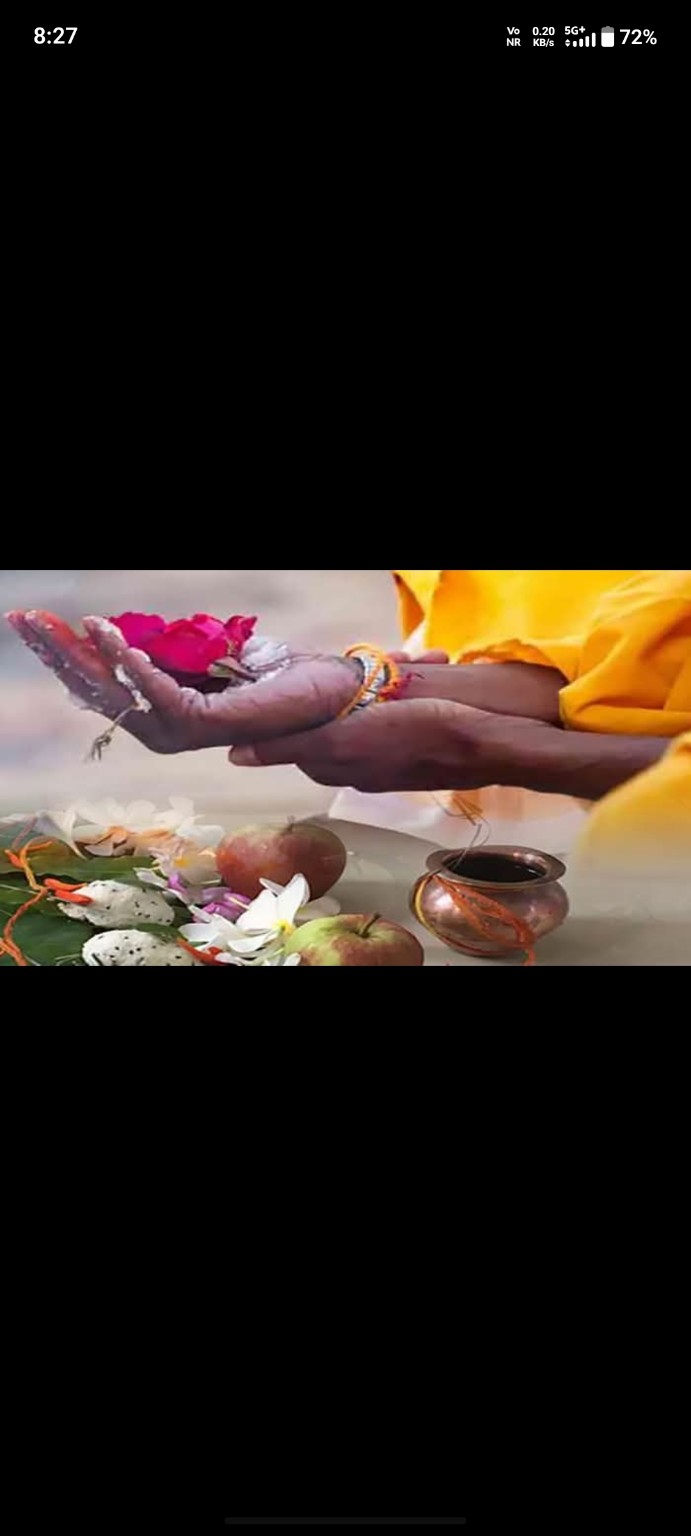
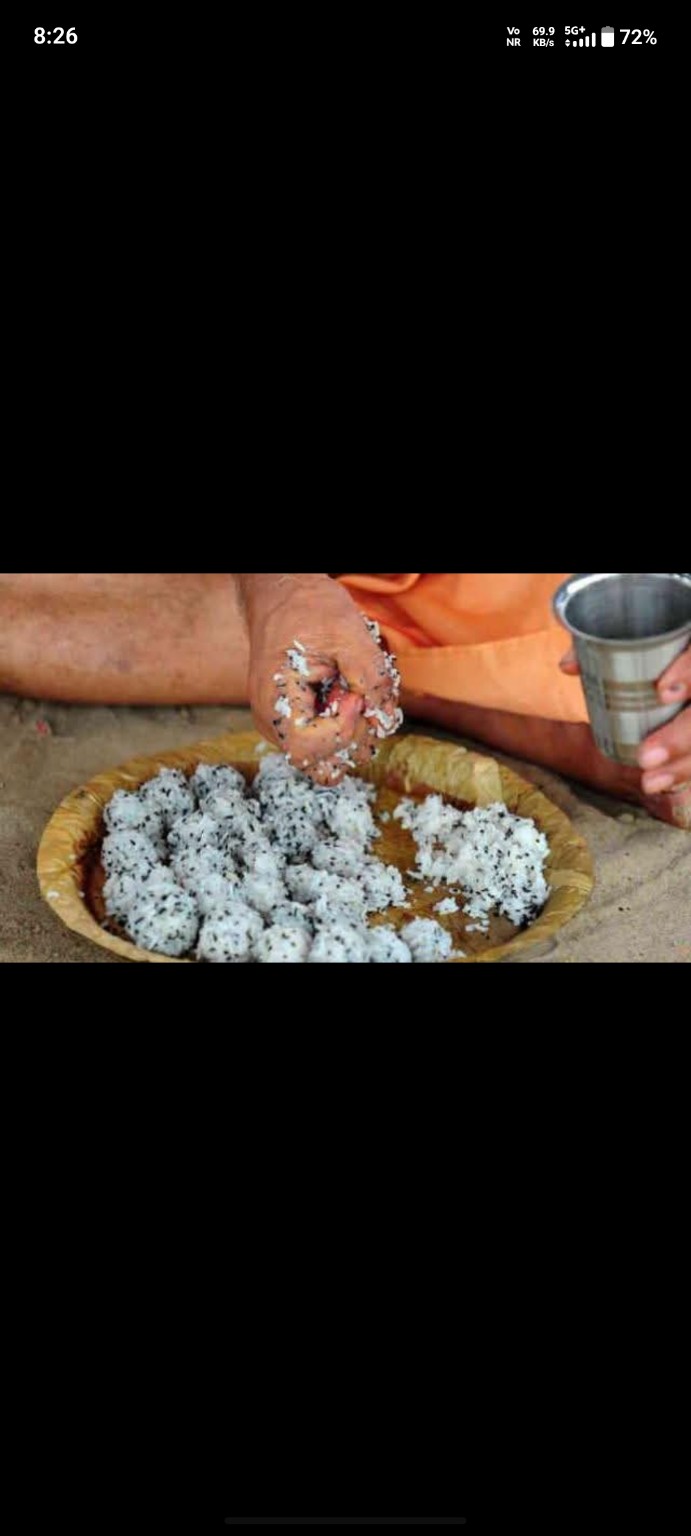
Devotees prepare the **Pindas** (round balls representing physical bodies). They are made by mixing barley flour (Jau ka Aata) or cooked rice with black sesame seeds (Kala Til), honey, ghee, milk, and holy Gangajal. This mixture is formed into balls while chanting sacred ancestral release mantras.
Vishnu Charan Puja (Worshipping Footprints)
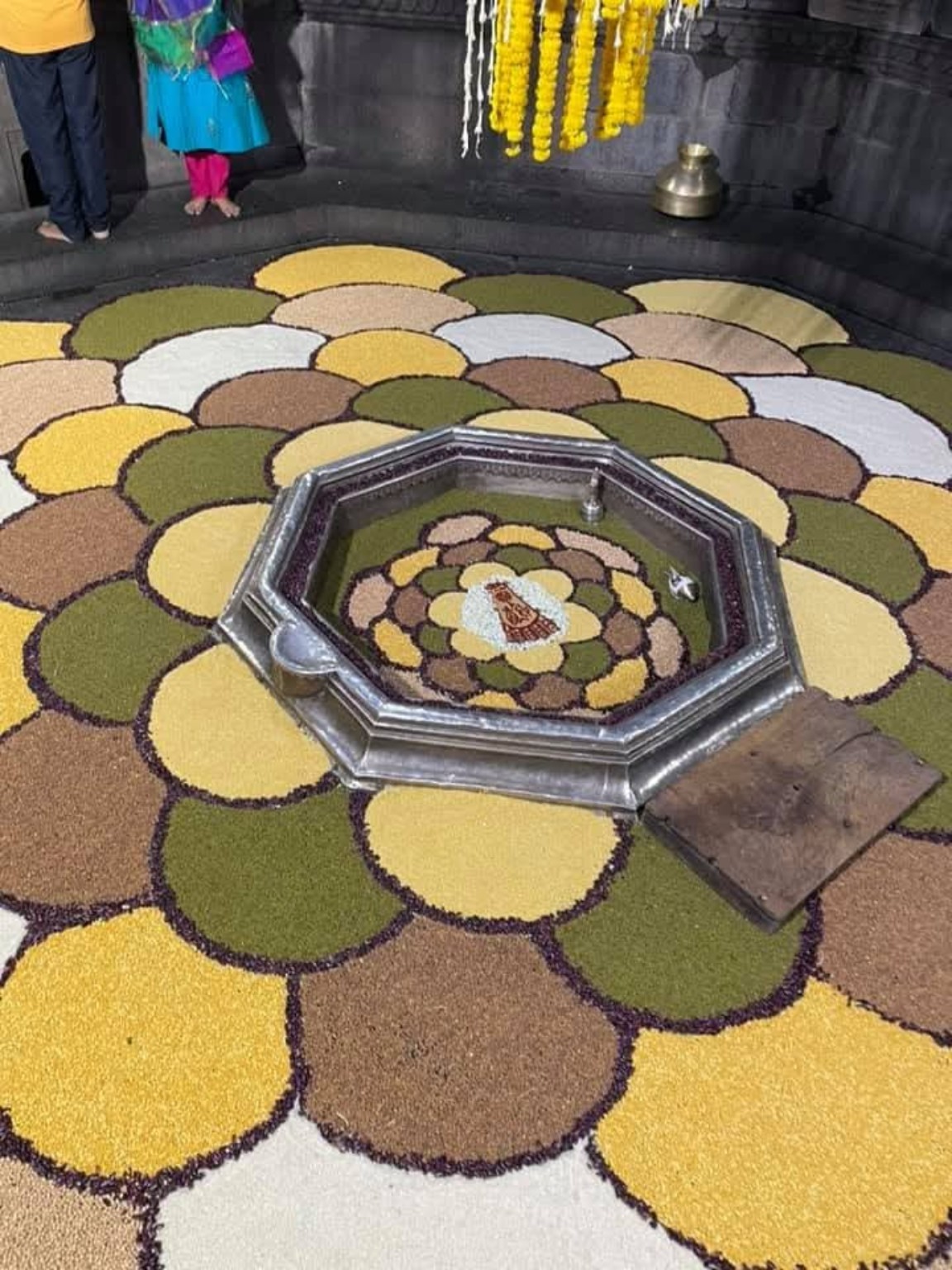
Devotees proceed to the inner sanctum of the **Vishnupad Temple**. They perform puja of the holy footprint of Lord Vishnu using Tulsi leaves, flowers, sandalwood, and incense. Worshipping Vishnu's feet symbolizes absolute surrender and guarantees that the ancestors are protected from hellish realms.
Pind Arpan & Tarpan (The Final Offerings)
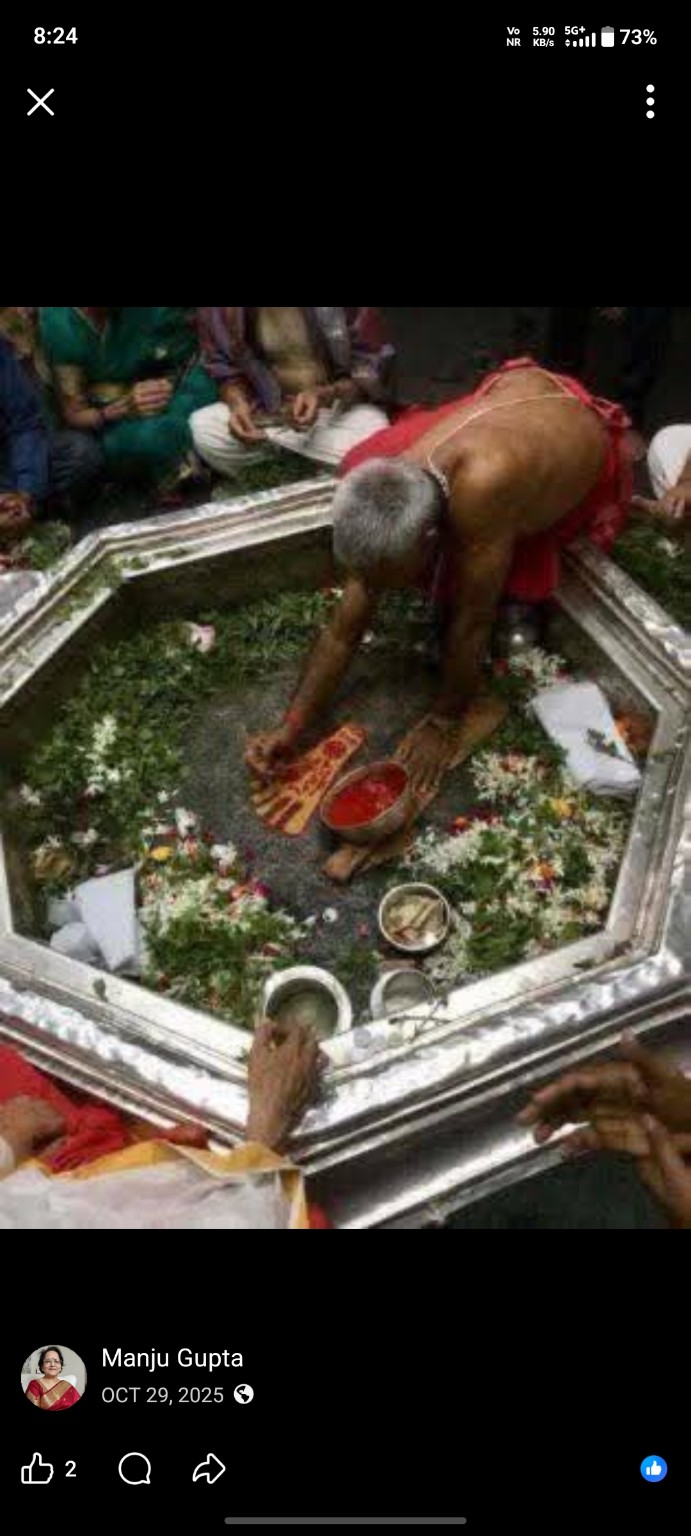
The prepared Pindas are placed directly on the footprints of Lord Vishnu. Water mixed with sesame seeds, milk, and kush grass (Tarpan) is offered. Prayers are made under the Akshayvat tree to complete the final closure of the death rites. Afterwards, traditional **Brahman Bhojan** (feeding the priests) and donations are offered to seal the process.
Transit & Nearest Connectivity to Gaya Dham
Gaya Ji is centrally located in Bihar and possesses excellent transportation networks, making it easily accessible for pilgrims traveling from across India or abroad:
Nearest Railway Station
Gaya Junction (GYA): Located in the heart of the city, only 4 km away from the Vishnupad Temple. It is a major railway hub directly connected to Delhi, Kolkata, Mumbai, Patna, and Varanasi by express and Rajdhani trains.
Nearest Airports
Gaya Airport (GAY): 9 km from the temple, hosting seasonal international flights and domestic connectivity.
Patna Airport (PAT): 100 km away (approx. 2.5 hours drive), offering daily flights to all major Indian cities.
Roadways & Nearby Cities
Gaya has direct access via NH-2 (Grand Trunk Road) and NH-83.
Nearby Areas: Bodhgaya (12 km), Patna (100 km), Rajgir (80 km), Nalanda (95 km), and Varanasi (250 km).
Why is Pind Daan in Gaya Ji Essential?
While Pind Daan can be performed at various holy locations across India, scriptures declare that doing so in Gaya Ji is of paramount importance. The unique spiritual energy of Gaya Ji guarantees immediate and permanent results for the departed souls.
Akshay Trupti (Eternal Satisfaction)
Rites performed at other places provide temporary satisfaction to the ancestors, meaning they may require rituals repeatedly. However, a single Pind Daan performed at Gaya Ji grants Akshay Trupti—eternal satisfaction, meaning the ancestors will never require another Pind Daan in the future.
Redemption from Pitru Rin (Ancestral Debt)
Every human is born with three spiritual debts, with Pitru Rin being the most critical. Scriptures state that performing the Shradh ceremony in Gaya Ji is the absolute and ultimate way to clear this debt and obtain ancestral blessings for your family's future.
Mandatory for Unnatural Deaths
If any family ancestor met with an unnatural, sudden, or early death (due to accidents, suicide, or sudden illness), they remain trapped in the pret-yoni. Gaya Ji is the only designated holy Dham where specific rituals like Narayan Bali can be performed to release these trapped souls.
Who Can Perform Pind Daan?
Scriptures lay down clear guidelines on who has the authority to perform Shradh and Pind Daan rituals for the departed:
- Sons (eldest or youngest): Hold the primary responsibility.
- Husbands: Can perform rituals for their wives.
- Brothers or Nephews: Can perform rites for deceased male relatives.
- Daughters and Women: In the absence of a male heir, daughters, wives, or mothers can perform Pind Daan with full scriptural purity (as validated by Mata Sita performing Shradh for King Dasharatha).
- Grandsons & Descendants: Can also perform rites for maternal and paternal grandparents.
Pitru Paksha 2026 Guide
Pitru Paksha is a sacred 16-day period in the Hindu calendar dedicated specifically to paying respects and offering food to ancestors.
Starts: September 25, 2026 (Bhadrapada Purnima)
Ends: October 10, 2026 (Sarvapitru Amavasya)
Performing Shradh in Gaya Dham during these 16 days is considered highly auspicious, releasing ancestors directly to the heavenly spiritual sky. It is recommended to book your slots early due to high pilgrim turnout.
Seva Packages
Gaya Ji me shastriya Pinddaan, Tarpan, Tripindi Shradh aur Narayan Bali ke liye hamare pass standard aur vishesh packages hain. Apne anusar package chunein aur slot book karein.
Basic Package
- Sirf Vishnupad Mandir me baith kar pooja
- Vishnupad, Falgu aur Akshayvat teeno jagah ka Pinddaan ek hi sthal se sankalp ke saath
- Sampoorn pooja samagri
- 1 Pandit Ji ki Dakshina
Standard Package
- Falgu, Vishnupad aur Akshayvat teeno jagah par jakar
- Baari-baari se Pinddaan aur Tarpan
- Sampoorn pooja samagri
- Brahman Bhojan - 1 Brahman
- Hotel booking mein sahayata
Premium Package
- 3 din ruk kar poori vidhi
- 45 pramukh jagah/vediyon par Pinddaan
- Personal Pandit Ji guidance
- Gaya Station se Pick & Drop sahayata
- Brahman Bhojan - 3 Brahman
Tripindi Shradh Seva
- Pichli teen peedhiyon ke pitron ki aatmik shanti ke liye
- Pitru Dosh nivaran ke liye shastriya vidhi dwara pooja
- Sampoorn Vedic pooja samagri
- Anubhavi Gayawal Pandit Ji dwara mantra charan
- Brahman Bhojan - 1 Brahman
Narayan Bali Seva
- Akal ya durghatna mrityu prapt pitron ki mukti ke liye vishesh pooja
- Vishnupad Mandir aur Falgu tat par shastriya vidhi se pooja
- Sampoorn vishesh pooja samagri (Dhoti-Gamcha, Pind nirman)
- Personal Pandit Ji guidance aur mantra path
- Brahman Bhojan aur Daan-Dakshina shaamil
Booking Slot Form
Form submit karne ke baad aapke email par booking details jayegi aur WhatsApp message bhi ready ho jayega.
Why Choose Moksha Seva for Pind Daan in Gaya
Vedic Shastriya Process
All rituals (Shradh, Tarpan, Pind Daan) are conducted strictly according to the Garuda Purana and Vayu Purana guidelines by authorized local Gayawal Pandas.
Certified Gayawal Pandas
Only traditional Gayawal Pandas holding hereditary rights perform the final rites, ensuring correct and validated ancestral resolutions (Sankalp).
Fixed & Transparent Pricing
Upfront package costs with zero hidden pandas charges or forced extra donations during the sacred puja events.
Complete Pilgrim Assistance
From procuring premium standard puja samagri to coordinating Brahman Bhojan, station transfers, and hotel stays in Gaya.
Frequently Asked Questions (FAQs)
Book Your Slot for Pind Daan in Gaya
Arrange authentic Vedic Shradh, Tarpan, or specialized Narayan Bali / Tripindi Pujas with authorized local priests.